Few things can slow down a fence installation project faster than hard ground.
Whether you’re dealing with compacted clay, rocky soil, drought-hardened earth, or ground filled with roots and debris, difficult soil conditions can turn a straightforward fence installation into a frustrating and expensive job.
Many contractors make the mistake of trying to force posts into the ground using improper techniques or underpowered equipment. The result is often bent posts, damaged tools, wasted labor, and slower project completion times.
Fortunately, with the right preparation, techniques, and equipment, driving fence posts into hard ground can be done safely, efficiently, and with professional results.
In this guide, we’ll cover proven methods used by professional fence contractors and explain how powered post drivers can dramatically improve productivity in challenging soil conditions.
Not all soil is created equal.
Soft soil allows posts to be driven relatively easily, but hard ground presents several challenges:
Common hard-ground conditions include:
Clay soil can become extremely dense, especially during dry conditions. While it may appear workable on the surface, the layers below can be incredibly difficult to penetrate.
Small rocks, gravel, and larger buried stones can deflect posts during installation, causing them to lean or bend.
Extended periods without rain can turn otherwise manageable soil into concrete-like conditions.
Trees, shrubs, and vegetation often create hidden underground obstacles that interfere with post placement.
Understanding what you’re working with is the first step toward successful installation.
Many fence installation problems occur because crews attempt to use the same methods they would use in softer soil.
Swinging a sledgehammer may work for a few posts, but productivity drops quickly when ground conditions become difficult.
Manual driving often results in:
When a post hits a rock or root, many installers continue applying force.
This can cause:
Hard ground requires consistent impact energy. Underpowered tools often struggle, increasing installation time and operator frustration.
Professional contractors save time by evaluating soil conditions before installation begins.
A simple test hole or probe can help identify:
Knowing what lies beneath the surface allows crews to make adjustments before problems occur.
Before driving posts:
Proper preparation helps prevent unexpected obstacles during installation.
The single biggest factor in successful hard-ground installation is using equipment designed for the job.
Powered post drivers deliver consistent impact force that manual methods simply cannot match.
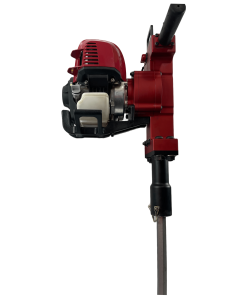
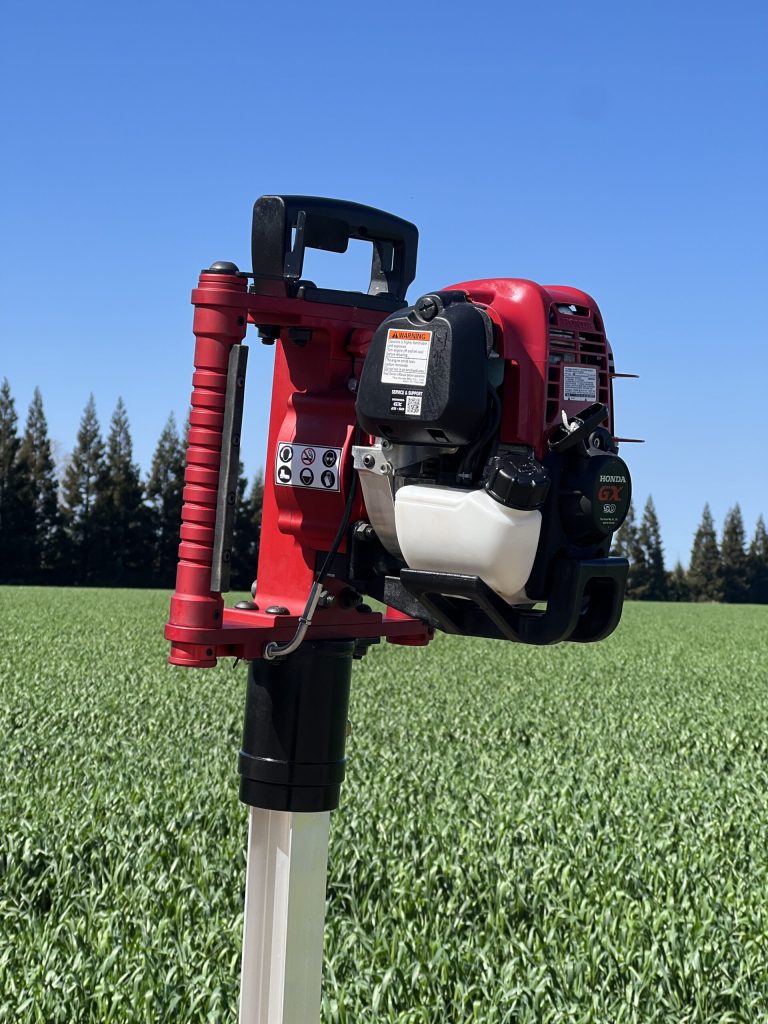
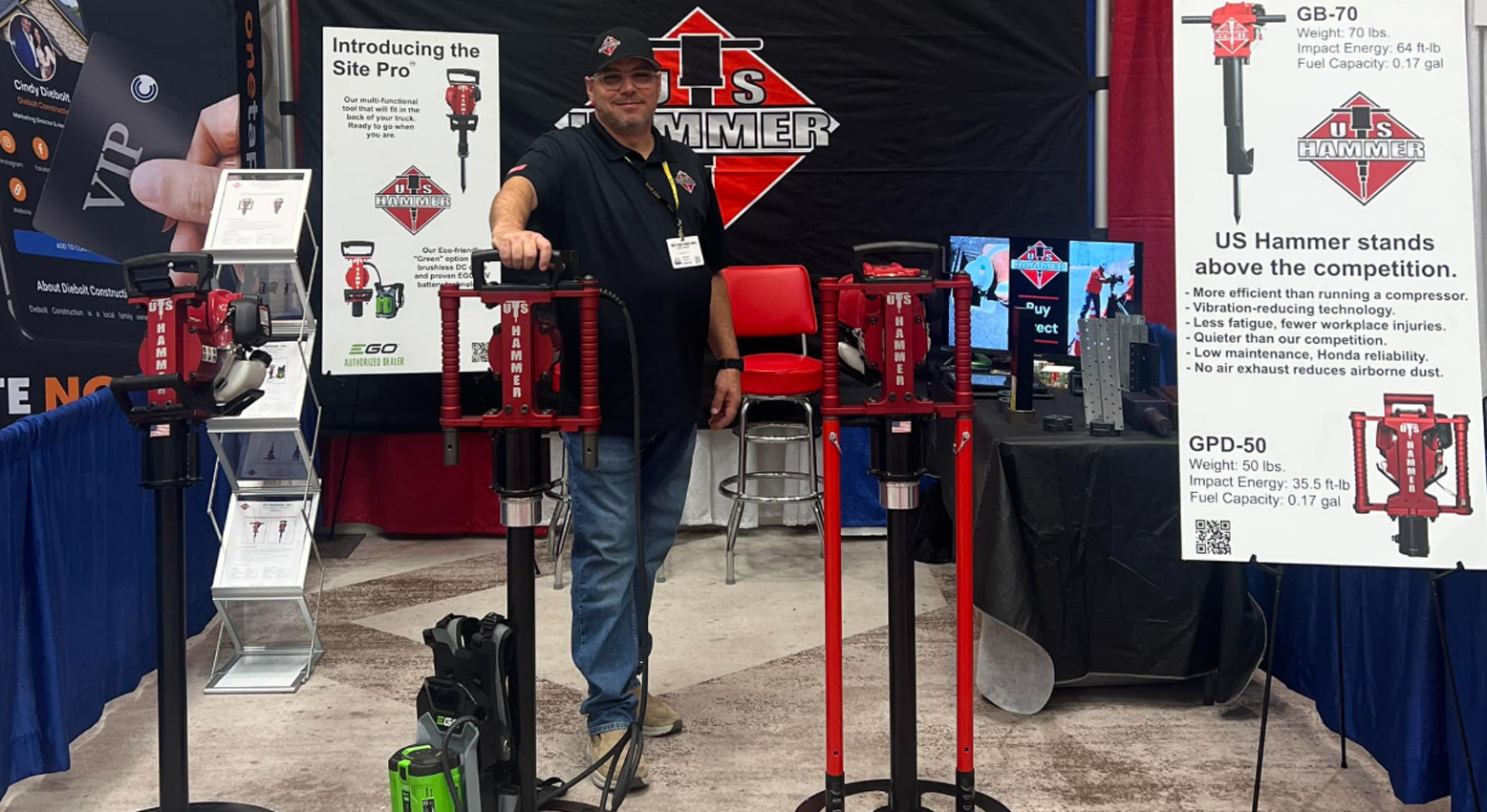
When working in extremely compacted soil, rocky terrain, or large commercial projects, many contractors choose the US Hammer GPD-50 Gas Powered Post Driver.
Benefits include:
The GPD-50 is particularly effective when crews encounter varying soil conditions throughout the day.
For residential fencing, agricultural applications, and mobile crews, the US Hammer BPD-50 Battery Powered Post Driver provides impressive driving power without the maintenance requirements of gas engines.
Advantages include:
Battery-powered systems continue to gain popularity among contractors seeking productivity and convenience.
One of the biggest mistakes operators make is trying to force the driver to drive fence posts Into Hard Ground without proper planning.
Powered post drivers are designed to use repeated impacts to gradually penetrate the soil.
For best results:
This produces straighter installations and reduces wear on both equipment and posts.
If progress suddenly stops, investigate.
A hidden rock or root system may be preventing advancement.
Rather than continuing to force the post:
Addressing the issue immediately saves significant time later.
Hard ground doesn’t just damage posts—it damages tools.
Traditional methods often create:
Powered systems distribute impact force more consistently, helping prevent many of these common issues.
This leads to:
Contractors who switch from manual installation methods often experience significant productivity improvements.
Benefits include:
Over the course of a season, these improvements can translate into thousands of dollars in savings and additional revenue opportunities.
Professional contractors need equipment that performs consistently in real-world conditions.
US Hammer designs contractor-grade post drivers built for:
With both gas-powered and battery-powered options available, contractors can choose the right solution for their specific needs while maintaining the durability and performance required on demanding jobsites.
Hard ground doesn’t have to slow down your fence installation projects.
By evaluating soil conditions, preparing properly, using professional techniques, and investing in the right equipment, contractors can dramatically improve productivity while reducing labor costs and equipment damage.
Whether you’re installing agricultural fencing, commercial barriers, or residential fence systems, a professional-grade powered post driver can help you in drive fence posts into hard ground and complete projects faster, safer, and with better results.
For contractors looking to maximize efficiency and tackle difficult ground conditions with confidence, explore the complete lineup of powered post drivers and accessories from US Hammer.
Follow us on US Hammer Facebook and Instagram for the latest updates, product news, and industry insights.